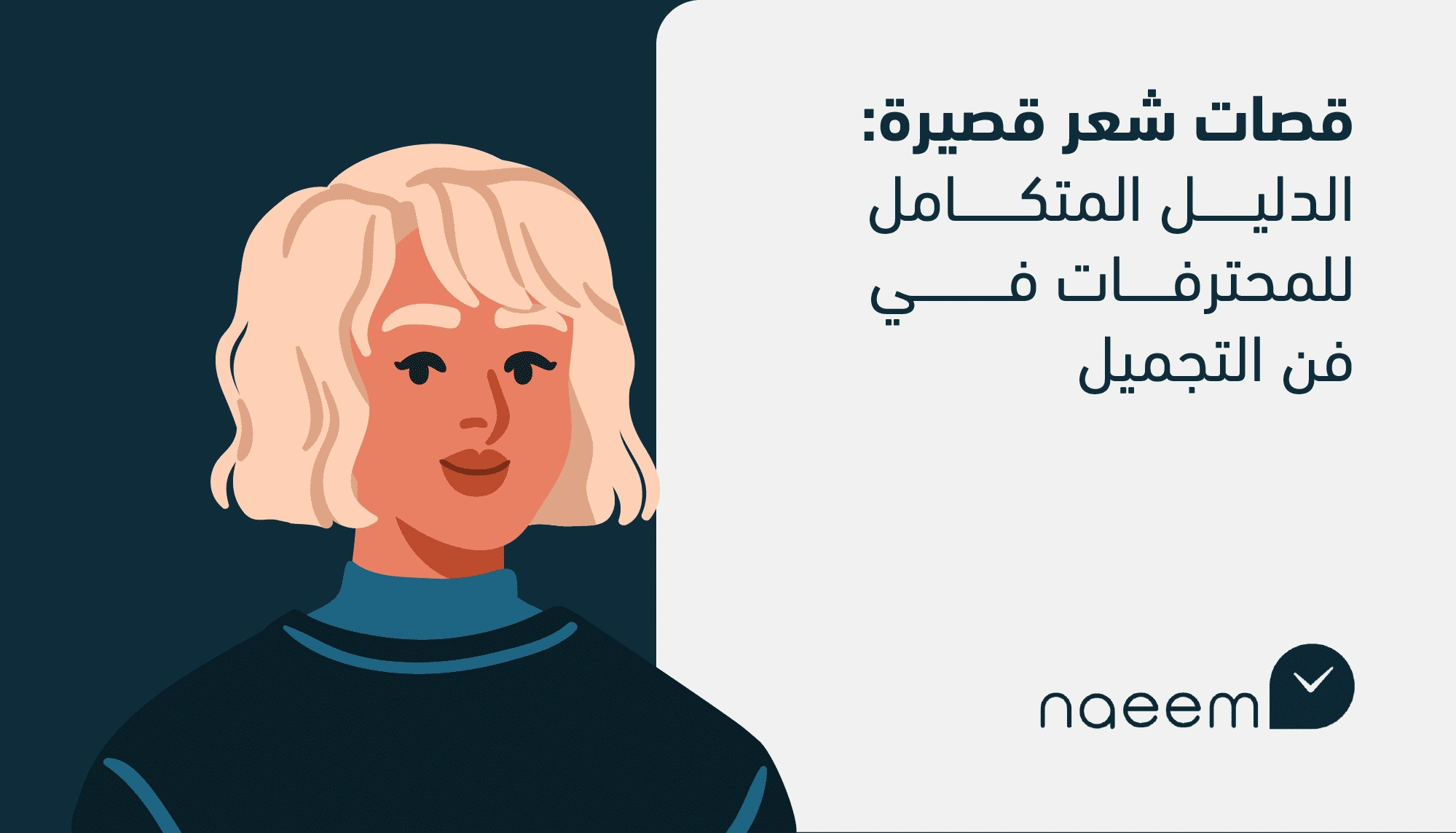
Women have recently been heading toward a radical change from the look they’re used to — and what better than hair to express themselves? Among these beauty transformations are short haircuts, which add appeal and draw attention to a woman’s personality! Short haircuts are a modern favorite for women looking for renewal and more practical cuts. Mastering this kind of cut as a salon professional means being able to transform a client’s look in minutes, with skill. Because it goes beyond hair length to a proper understanding of face shape, hair type and the client’s daily lifestyle, we’ve put together a detailed reference on everything to do with short haircuts — technical and practical — in clear tables, to help you get the best results.
Types of short haircuts
Before we explain the techniques in detail, note that whenever you carry out any of these cuts, you must take into account the natural direction of hair growth, how the hair is distributed, and the angles reflected on the face. Graduation or back-combing often helps the shape of the cut stand out better. Here are the most popular types:
| Cut | Technical description | Best face shapes | Notes |
| Pixie | A bold, very short cut with light layers on the sides and crown | Oval, round and heart-shaped faces | Highlights facial features rather than hiding flaws; ideal for bold women. Best done after assessing the shape of the head and forehead. |
| Bob | A jaw-length cut, straight or slightly angled | Long, rectangular and heart-shaped faces | Can be personalized with a fringe or by cutting the edges at soft angles; usually done on straight hair for an excellent result. |
| Lob | A longer bob (to the shoulders) | Almost all face shapes | A good transitional option between long and short hair, giving the professional room to experiment with a hesitant client. |
| Shag | A random, asymmetric layered cut built on movement and texture | Square and long faces | Adds natural volume and suits wavy or fine hair, especially when cut dry to show the layers. |
| French bob | A short cut at the jaw with soft edges | Round or oval faces | Requires precise cutting and an even line; suits women looking for classic elegance. |
Matching the haircut to the face shape
The face is your work map, and professionalism starts with understanding it. Before cutting short, analyze the face shape. In professional sessions, it’s best to use a face-measuring tool or even 3D imaging, if available, to analyze angles and features precisely, so you can tailor the cut with great accuracy. Here are the details:
| Face shape | Main features | Preferred cuts | What to avoid |
| Oval | Balanced; forehead as wide as the jaw | All cuts | No major restrictions. |
| Round | Chin and forehead not prominent; full cheeks | Angled bob, layered lob | Cuts that end at the chin. |
| Square | Wide jaw with prominent angles | Layered shag, soft bob | Blunt cuts without graduation. |
| Long | Prominent forehead and chin; slim face | Lob, bob with side layers | Cuts with a lot of height on top. |
| Heart | Wide forehead, narrow chin | Bob with a thick layer, side fringe | Cuts that emphasize a narrow chin. |
Short haircuts by hair type
Differences in hair density and texture affect the shape of the cut, the cutting tools, the working angles, and even styling after the cut. In the following table we detail hair types and the cuts that suit them:
| Hair type | Professional notes | Ideal cuts | |
| Fine and thin | This type can’t take sharp or blunt cuts because they clearly show the lack of density. Focus on creating the illusion of volume with light layers, preferably soft internal layers starting from the crown. | Pixie: gives visual density while keeping the look light. Layered shag: adds the illusion of movement to fine hair without weighing it down. |
|
| Thick and straight | Tends to puff out, especially at the sides or when styled freely, so the weight needs to be distributed efficiently. A thinning scissor is essential here, especially in the crown and back layers. | Layered lob: reduces bulk and gives a soft look. Angled bob: highlights the bone structure of the face and controls volume. |
|
| Naturally wavy | Dry cutting is important to see the true shape of the waves once dry. Don’t overdo leveling or strong graduation, or the natural wave may disappear or the layers may tangle. | Shag: highlights the waves and distributes volume. French bob: an elegant cut that suits light waves with rounded ends. |
|
| Thick curly | Wet cutting isn’t accurate because the hair shrinks as it dries. It’s better to section the hair and partially dry it before cutting. Random or uniform cutting won’t work, because it creates bulky, confusing layers. | Curly bob: keeps the natural shape of the curl. Light shag: fine layers that control volume and allow freedom in styling. |
|
| For professionals: whatever the hair type, don’t rely only on classic scissors. Make sure you have: | Thinning scissors to distribute density without changing the overall shape. Precision edging scissors to define sharp or soft angles as needed. A fine, evenly distributed water mist to adjust moisture while cutting without soaking the hair. |
||
Steps for cutting short hair professionally in the salon
First: a careful consultation, to make sure the cut suits the client’s lifestyle.
What to do: ask how much time she spends on her hair each day. Does she use heat tools? Does she prefer a neat look all the time, or a natural one? Make sure she’s emotionally ready for the change, especially if she’s going from long hair.
Second: a technical analysis of the hair and scalp, to avoid unsatisfying results or later problems.
More details: check the hair’s density, because a short cut doesn’t add much volume — low density needs adjusting. Watch the growth directions, because some cuts need special handling if there are cowlicks or prominent angles. And check the health of the scalp, especially when using clippers or a razor.
Third: plan with a sketch or a verbal description, so the client can picture the result before cutting.
Techniques to use: draw the cut line on a mirror with a removable cosmetic pencil, or use a visual reference with a detailed explanation: “The cut will end at the jawline”, “There’ll be a light graduation at the back”.
Fourth: cut with multiple tools. Don’t settle for one pair of scissors. Use main cutting scissors to set the overall shape, thinning scissors to reduce bulk without damaging the look, a blending razor to soften the side or back edges, a fine sectioning comb to distribute the hair precisely, a fine water mist to control moisture while cutting, and a light holding product to see the hair’s final movement.
Fifth: the finishing touches — what sets a professional cut apart from an ordinary one.
Final ideas: a hidden side fringe that only shows with certain styling, graduation at the sides that adds modern elegance without being shocking, or an angled part or a defined neckline that enhances the structure of the neck or face.
And remember: carry out every step with visible confidence, because a short cut depends on mutual trust. The client sees her mirror in you, and any hesitation on your part will show directly in her decision and her satisfaction.
Caring for short hair
Give clients who choose short haircuts a personal maintenance card showing their next cutting appointments and recommended products — it strengthens their trust in you and their loyalty to your salon. You can hand it over at the end, along these lines, to keep them looking their best:
| Care | We recommend |
| Washing | Every two to three days, with a gentle sulfate-free shampoo. |
| Styling | With a light serum or a curl-defining cream. |
| Repair | A light protein mask every week. |
| Regular trims | Every 4–6 weeks to keep the shape of the cut. |
How to market short haircuts in your salon
A short haircut is a radical change to a client’s look, so marketing it takes a mix of social savvy, smart presentation, visual preparation and real-life experience. How can professionals use the salon’s tools to increase demand for these cuts?
A live haircut album in the salon:
What is it? A printed or digital album — on a tablet, for example — with high-quality photos of real clients who had short cuts in the salon.
How do you create it? Photograph the client from several angles after the cut, in clear lighting. Write a short caption under each photo: the type of cut, the face shape and the product used. Get the client’s written permission to use the photo.
Why: real photos are more convincing than stock images online, and they show real results on local women rather than international models.
Free consultation sessions:
The idea: invite hesitant clients to try a short cut temporarily using a wig of a similar color and length.
How to do it: keep a selection of wigs in different colors and suitable lengths. Do a try-on in front of the mirror with simple styling to approximate the final look. Take a photo of her in the wig, and later pair it with an edited digital image for comparison.
Why? It eases the client’s fear and increases the chance she’ll decide with confidence, especially when she sees the visual effect directly.
Short videos of the cutting process:
How to do it: film the stages of a short cut briefly — under 60 seconds. Focus on the moments of change from long to short hair. Add before-and-after shots, the name of the cut, and the client’s smile at the end.
Where to post: on the salon’s Instagram, TikTok and YouTube Shorts accounts.
What you gain: these clips boost your credibility as an expert and show the confidence you give your clients. Short content also encourages quick sharing.
Client success stories:
How to do it: after a short cut, ask the client whether she’d be willing to share her experience in a video or in writing. Offer a small incentive — a discount on her next service — in return. Write up or film her experience and how she feels after the cut.
Where to publish? In the salon website’s reviews, on Instagram stories, or even in the salon’s in-house promotional booklet.
How it helps: genuine recommendations from women like your potential client convince more than any direct ad.
In addition:
Dedicate one day a week to showcasing short cuts with limited discounts, and invite clients to try them in the salon.
Create a WhatsApp group or an Instagram Close Friends list with exclusive announcements of new cuts to try.
Share before-and-after photos with only slight lighting adjustments and no filters, to keep them credible.
Conclusion
It’s a real pleasure to watch a transformation — and an even bigger one to carry it out. That’s what short haircuts do for a client excited to change and for a professional salon worker eager to apply her best skills. A short cut is a creative redesign of a woman’s identity and a brave decision by the client, made even more beautiful by the salon’s skill. It requires the professional to understand face shape, hair type, current trends and the client’s lifestyle in detail, so she can turn short hair into an identity that expresses the client’s personality.